
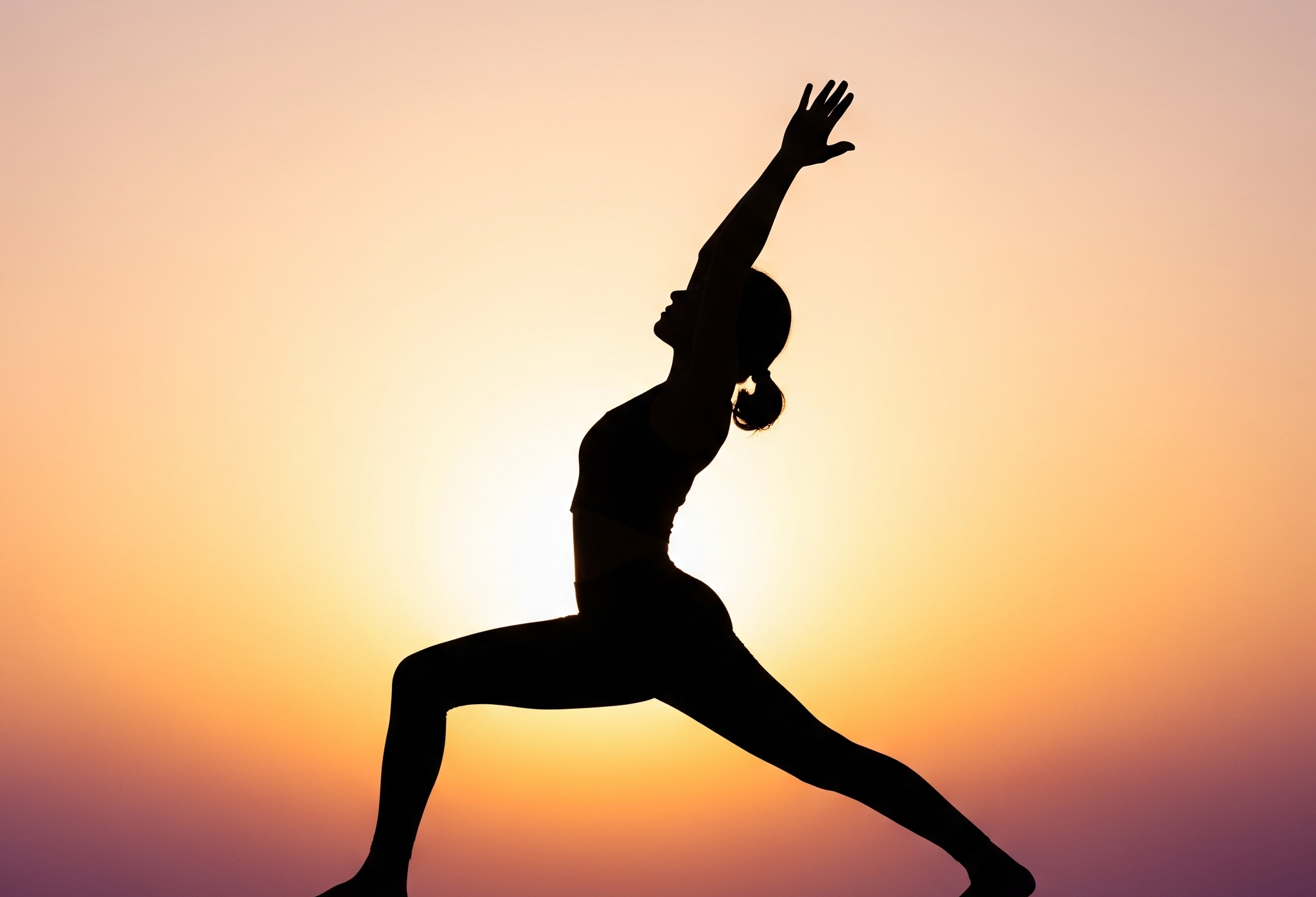
A Path to Strength, Calm and Clarity
Yoga, an ancient practice originating in India, has transcended its spiritual roots to become a globally recognized discipline for physical and mental well-being. With a history spanning thousands of years, a diverse range of styles, and a multitude of scientifically proven benefits, yoga offers a holistic approach to health that appeals to people of all ages and backgrounds. This article will delve into the rich history of yoga, explore its various types, highlight its numerous benefits, and introduce some popular beginner-friendly poses, along with resources for those embarking on their yoga journey.
The Ancient Roots: A Brief History of Yoga
The word “yoga” is derived from the Sanskrit root “yuj,” meaning to yoke or unite. In its essence, yoga is about the union of the individual consciousness with the universal consciousness, or the integration of mind, body, and spirit.
The origins of yoga can be traced back over 5,000 years to ancient India. The earliest evidence of yoga-like practices comes from archaeological discoveries of seals depicting figures in yogic postures from the Indus Valley Civilization (3300-1900 BCE). However, the systematic development of yoga is primarily attributed to the Vedic period (1500-500 BCE), where it was incorporated into the sacred texts known as the Vedas, particularly the Rig Veda.
During the pre-classical period (500 BCE-200 CE), yoga evolved significantly. This era saw the emergence of the Upanishads, philosophical texts that further expounded on yogic principles like Brahman (the ultimate reality) and Atman (the individual soul). The Bhagavad Gita, a revered Hindu scripture, also features extensive discussions on various forms of yoga, including Karma Yoga (yoga of action), Jnana Yoga (yoga of knowledge), and Bhakti Yoga (yoga of devotion).
The classical period of yoga (200 CE-500 CE) is largely defined by the Yoga Sutras of Patanjali. Compiled around 200 CE, this foundational text is a collection of 196 aphorisms that systematically outline the philosophy and practice of Raja Yoga (royal yoga), often referred to as the “eight-limbed path” (Ashtanga Yoga). These eight limbs provide a comprehensive framework for ethical conduct, self-discipline, physical postures (asana), breath control (pranayama), sensory withdrawal (pratyahara), concentration (dharana), meditation (dhyana), and ultimately, liberation or enlightenment (samadhi). Patanjali’s Yoga Sutras are considered the authoritative text on classical yoga and continue to influence contemporary yoga practices.
Following the classical period, the post-classical period (500 CE-1500 CE) saw the emergence of Hatha Yoga, which focused more on the physical practices of yoga, including asanas and pranayama, as a means to purify the body and mind, and prepare for higher states of meditation. Texts like the Hatha Yoga Pradipika and the Gheranda Samhita provided detailed instructions on various postures, breathing techniques, and purification rituals. This shift towards physical mastery laid the groundwork for many of the modern yoga styles practiced today.
In the late 19th and early 20th centuries, yoga began to gain recognition in the Western world, primarily through the efforts of figures like Swami Vivekananda, who introduced yoga and Vedanta philosophy at the World’s Parliament of Religions in Chicago in 1893. The mid-20th century witnessed a significant surge in yoga’s popularity, as influential gurus such as B.K.S. Iyengar, K. Pattabhi Jois, and T.K.V. Desikachar brought their distinct styles and teachings to a global audience, making yoga more accessible and diverse.
Diverse Paths: Types of Yoga
Today, the landscape of yoga is incredibly varied, with numerous styles catering to different preferences and goals. While they all share common roots, they often emphasize different aspects of the practice. Here are some of the most popular types:
- Hatha Yoga: Often considered a foundational style, Hatha yoga typically involves a slower pace with longer holds in each pose, emphasizing basic postures and breathing exercises. It’s an excellent starting point for beginners to learn the fundamentals of alignment and breath.
- Vinyasa Yoga: Characterized by its flowing sequences, Vinyasa yoga synchronizes movement with breath, creating a dynamic and often vigorous practice. Classes vary widely, from gentle flows to more challenging sequences, making it adaptable to different fitness levels. “Vinyasa” literally means “to place in a special way,” referring to the intelligent sequencing of poses.
- Ashtanga Yoga: A highly structured and physically demanding style, Ashtanga yoga follows a precise sequence of poses, starting with the Primary Series. It involves a continuous flow of movement, specific breathing techniques (Ujjayi pranayama), and internal energy locks (bandhas). It’s known for building strength, flexibility, and stamina.
- Iyengar Yoga: Developed by B.K.S. Iyengar, this style places a strong emphasis on precise alignment and the use of props (such as blocks, straps, and blankets) to help students achieve correct posture and deepen their practice. It’s known for its therapeutic benefits and attention to detail, making it suitable for all levels, including those with injuries or physical limitations.
- Restorative Yoga: As the name suggests, Restorative yoga focuses on deep relaxation and rejuvenation. It involves holding passive poses for extended periods (5-20 minutes) with the support of props to allow the body to fully release tension and activate the parasympathetic nervous system. It’s ideal for stress reduction and recovery.
- Yin Yoga: This slow-paced style targets the deep connective tissues of the body (ligaments, joints, fascia, and bones). Poses are held for longer durations (3-5 minutes or more), typically in a seated or supine position, to increase flexibility and improve joint mobility. It’s a meditative practice that encourages introspection.
- Kundalini Yoga: Often referred to as the “yoga of awareness,” Kundalini yoga combines physical postures, dynamic breathing techniques, chanting, meditation, and mudras (hand gestures) to awaken the “kundalini energy” believed to reside at the base of the spine. It aims to promote spiritual growth and self-discovery.
- Bikram Yoga: A specific style of hot yoga, Bikram yoga consists of a fixed sequence of 26 postures and two breathing exercises performed in a room heated to 105°F (40.6°C) with 40% humidity. The heat is believed to aid in detoxification and increase flexibility.
The Myriad Benefits of Yoga
Beyond its ancient spiritual roots, modern science has increasingly validated the numerous physical and mental health benefits of regular yoga practice.
Physical Benefits:
- Increased Flexibility: Yoga stretches muscles and connective tissues, improving range of motion in joints and reducing stiffness.
- Enhanced Strength: Many yoga poses require holding one’s body weight, building muscle strength and endurance, particularly in core, arm, and leg muscles.
- Improved Balance and Stability: Balancing poses challenge and strengthen the muscles responsible for maintaining equilibrium, reducing the risk of falls.
- Better Posture: By strengthening core muscles and promoting proper alignment, yoga helps correct postural imbalances and alleviate back and neck pain.
- Increased Bone Density: Weight-bearing yoga poses can help strengthen bones and may even help prevent osteoporosis.
- Improved Cardiovascular Health: Some vigorous yoga styles can elevate heart rate, improving cardiovascular fitness. Gentle styles promote relaxation, which can lower blood pressure.
- Reduced Chronic Pain: Yoga has been shown to be effective in managing chronic pain conditions such as low back pain, arthritis, and fibromyalgia, by increasing flexibility, reducing inflammation, and improving coping mechanisms.
- Better Respiration: Pranayama (yogic breathing exercises) enhances lung capacity, improves breathing efficiency, and calms the nervous system.
Mental and Emotional Benefits:
- Stress Reduction: Yoga activates the parasympathetic nervous system, counteracting the “fight or flight” response, and lowering levels of stress hormones like cortisol.
- Anxiety and Depression Relief: Regular practice can reduce symptoms of anxiety and depression by promoting relaxation, mindfulness, and emotional regulation.
- Improved Mood: Yoga can increase the production of feel-good neurotransmitters like serotonin and dopamine, leading to an improved mood and sense of well-being.
- Enhanced Mindfulness and Concentration: The focus on breath and body awareness in yoga cultivates mindfulness, improving attention span and cognitive function.
- Better Sleep Quality: By reducing stress and promoting relaxation, yoga can significantly improve sleep patterns and alleviate insomnia.
- Increased Self-Awareness: Yoga encourages introspection and connection with one’s inner self, fostering a deeper understanding of thoughts, emotions, and physical sensations.
- Greater Body Awareness: Through mindful movement, practitioners develop a stronger connection to their bodies, understanding their capabilities and limitations.
Starting Your Journey: Popular Yoga Poses for Beginners
Embarking on a yoga journey can be exciting, and many poses are accessible to beginners. Focusing on proper alignment and listening to your body is key. Here are a few fundamental poses:
- Mountain Pose (Tadasana): The foundation of all standing poses, Tadasana establishes proper alignment. Stand tall with feet together or hip-width apart, arms by your sides, shoulders relaxed, and evenly distribute your weight through your feet. This pose helps you feel grounded and centered.
- Child’s Pose (Balasana): A restful and calming pose. Kneel on your mat with your big toes touching and knees wide apart. Fold forward, resting your torso between your thighs, and extend your arms forward or back alongside your body. This pose gently stretches the hips, thighs, and ankles, and helps calm the brain.
- Downward-Facing Dog (Adho Mukha Svanasana): One of the most iconic yoga poses. Start on your hands and knees. Lift your hips up and back, forming an inverted V-shape with your body. Spread your fingers wide, press firmly through your palms, and draw your heels towards the mat (it’s okay if they don’t touch). This pose lengthens the spine, stretches the hamstrings and calves, and strengthens the arms and legs.
- Cat-Cow Pose (Marjaryasana-Bitilasana): A gentle flowing sequence that warms up the spine. Start on your hands and knees. For Cow pose, inhale, drop your belly towards the mat, lift your chest and tailbone. For Cat pose, exhale, round your spine towards the ceiling, tuck your chin to your chest. Repeat several times, coordinating movement with breath. This sequence improves spinal flexibility and mobility.
- Warrior II (Virabhadrasana II): A strong standing pose that builds leg strength and opens the hips. Step one foot back, turning the back foot parallel to the short edge of the mat. Bend the front knee directly over the ankle, and extend your arms out to the sides, gazing over the front fingertips. This pose strengthens the legs and core, and stretches the groins and chest.
- Triangle Pose (Trikonasana): A lengthening and strengthening standing pose. Step your feet wide apart. Turn your front foot out and your back foot slightly in. Extend your front arm forward, then hinge at your front hip, reaching down towards your shin, ankle, or a block. Extend your top arm towards the ceiling. This pose stretches the hamstrings, groins, and hips, strengthens the legs and core, and improves balance.
- Corpse Pose (Savasana): A crucial pose for relaxation and integration. Lie on your back with arms and legs extended, palms facing up, and eyes closed. Allow your body to completely relax, breathing naturally. This pose allows the body to absorb the benefits of the practice and promotes deep relaxation.
Resources for Beginners: Good Books and Articles on Yoga
For those new to yoga, a wealth of resources can help deepen understanding and guide practice. Here are a few highly recommended books and articles:
Books:
- “Light on Yoga” by B.K.S. Iyengar: Considered a classic and an essential reference for any serious yoga practitioner. While comprehensive, it provides detailed instructions and photographs for hundreds of poses, making it an invaluable guide for understanding alignment.
- “Yoga Sutras of Patanjali” translated by Sri Swami Satchidananda: For those interested in the philosophical roots of yoga, this translation offers a clear and accessible interpretation of Patanjali’s foundational text.
- “Yoga Anatomy” by Leslie Kaminoff and Amy Matthews: A fantastic resource for understanding the muscles and movements involved in yoga poses. It offers clear anatomical illustrations and explanations, helping practitioners move more intelligently and safely.
- “The Complete Illustrated Book of Yoga” by Swami Vishnudevananda: A classic introductory text that covers various aspects of yoga, including philosophy, breathing techniques, and postures, presented in an accessible manner.
- “Yoga for Dummies” by Georg Feuerstein and Larry Payne: A user-friendly guide for absolute beginners, covering basic poses, breathing techniques, and the philosophy of yoga in an easy-to-understand format.
Articles/Online Resources:
- Yoga Journal (yogajournal.com): A leading online resource with a vast archive of articles on yoga poses, sequences, philosophy, health benefits, and lifestyle. They have excellent beginner-friendly content.
- Yoga International (yogainternational.com): Offers a wide range of articles, online classes, and workshops from various teachers and traditions, catering to all levels.
- “The Ultimate Guide to Yoga for Beginners” (various health and wellness websites like Healthline, Verywell Fit): Many reputable health websites offer comprehensive guides for beginners, often including visual aids and tips for starting a home practice.
- “A Beginner’s Guide to Yoga: Poses, Types, and More” (e.g., from Cleveland Clinic or Mayo Clinic): Look for articles from established health institutions for evidence-based information on yoga’s benefits and safety.
Conclusion
Yoga is far more than just a series of physical exercises; it is a profound and multifaceted practice that offers a pathway to enhanced physical health, mental clarity, and spiritual well-being. From its ancient origins in India to its diverse contemporary forms, yoga has consistently demonstrated its ability to transform lives. By understanding its history, exploring its various types, embracing its numerous benefits, and starting with accessible poses, beginners can embark on a rewarding journey that promises to bring balance, peace, and vitality to every aspect of their lives. With the right resources and a commitment to mindful practice, the ancient wisdom of yoga remains as relevant and powerful today as it was thousands of years ago. Sources