• The quest for a longer, healthier life has fascinated humanity for centuries. From ancient legends of immortal beings to modern scientific breakthroughs, the desire to extend our time on Earth, and to do so with vitality, remains a powerful driving force. Yet, amidst the genuine advancements, a multitude of myths and misconceptions about human longevity persist. This article will delve into the truths and myths surrounding our lifespan and explore the key factors that genuinely influence both how long we live and the quality of those years.


    Embracing Authenticity and Comfort

    As we navigate 2025, it is increasingly obvious that home design has undergone a significant shift; it has moved away from rigid, overly curated aesthetics towards spaces that prioritize comfort, well-being, and personal expression. The dominant themes are a thoughtful blend of quiet luxury and bold individuality, deeply rooted in sustainability, natural elements, and the intelligent integration of technology. Homes are evolving into sanctuaries that tell a story, embracing character, craftsmanship, and a relaxed, inviting atmosphere.

    The Palette of Serenity and Depth: Wall Paint Colors

    The era of stark whites and all-gray interiors is gracefully receding. The current trends in wall paint colors lean heavily into nature-inspired hues, offering a sense of calm and connection to the outdoors.

     Earthy Neutrals: Warm tones like terracotta, ochre, sienna, and sage green are taking center stage. These grounding shades create a cozy and inviting backdrop, reminiscent of natural landscapes. They are versatile and can serve as either base colors or accents, complementing a wide array of styles.

     Deep Jewel Tones: For those seeking a bolder statement, rich, saturated jewel tones are making a dramatic comeback. Think forest green, cobalt blue, deep burgundy, and plum-brown tones. These colors add depth, sophistication, and a touch of moody elegance, often used in “color-drenching” where walls, ceilings, and trim are painted the same hue for an enveloping effect.

     Muted Grays and Warm Whites: While not as dominant as before, sophisticated grays and warm, creamy whites still hold their place, but often with more nuanced undertones that lend a sense of quiet luxury. These shades serve as excellent foundations for layering textures and pops of color.

     Pattern Drenching and Textured Walls: Beyond solid colors, we’re seeing a rise in patterned wallpapers, particularly those with bold designs, and textured walls. Wall panels and three-dimensional designs add tactile interest and a sense of luxury.

    Living Spaces: Curated Comfort and Organic Flow

    Living rooms in 2025 are designed for genuine relaxation and connection, moving beyond mere aesthetics to embrace functionality and emotional well-being.

     Curved Furniture: Soft, flowing lines and rounded edges are paramount. Curved sofas, armchairs, and coffee tables create a sense of movement and fluidity, softening the overall feel of the room. This trend is about creating a more intimate and less formal atmosphere.

     Casually Comfortable Upholstery: Plush sofas, oversized cushions, and inviting textures are key. Performance fabrics are gaining popularity for their durability and ease of maintenance, without compromising on comfort. Custom upholstery allows for personalized touches and a unique aesthetic.

     Modular and Multi-functional Pieces: As living spaces often serve multiple purposes, modular furniture that can be easily reconfigured and pieces with hidden storage are highly sought after.

     Vintage & Retro Influences: Mid-century modern and other retro styles are making a strong comeback, often with a modern twist. Eclectic mixes of vintage and contemporary pieces create spaces with character and a unique story. Artisanal and handcrafted items are highly valued, reflecting a shift towards slow design and supporting skilled craftsmanship.

     Biophilic Design: Bringing the outdoors in is a strong trend. Living rooms feature more plants, natural wood, stone, and other organic materials to create a serene and grounding environment.

     Statement Lighting: Lighting is no longer just functional; it’s a key design element. Contemporary and sculptural light fixtures, including chandeliers, can transform the ambiance of a room. Delicate lighting solutions are also favored for creating a softer, more inviting glow.

     Conversation Pits: A nostalgic nod to the past, conversation pits are making a resurgence, offering ultimate cozy cocoons for intimate gatherings.

    Bedrooms: Sanctuaries of Serenity and Style

    Bedrooms are transforming into luxurious retreats focused on rest, relaxation, and personalized comfort.

     Statement Headboards: Oversized, upholstered, or uniquely designed headboards are becoming a focal point, adding drama and a personalized touch. Wall paneling behind the bed is also a popular way to create a feature wall.

     Canopy Beds: The return of the canopy bed, reimagined with a modern twist, offers a sense of enclosure and grandeur without feeling overly formal. They can be draped with soft fabrics or left bare for a streamlined look.

     Layered Textures and Bedding: The most popular bedroom looks involve rich, diverse textures and abundant layers. Mixing materials like velvet, linen, and woven throws creates a sensory-rich and inviting environment. Solid color textiles in deep, cozy hues are also prominent.

     Earthy Elements and Biophilic Design: Continuing the theme from living rooms, bedrooms are embracing natural elements. Reclaimed wood furniture, organic cotton bedding, and strategically placed plants promote a sense of well-being and connection to nature.

     Mood Lighting: Flexible and creative lighting solutions are essential for setting the tone for relaxation. Dimmers, sconces, and bedside lamps allow for adjustable ambiance.

     Hidden Technology: While technology is integrated into our lives, in the bedroom, the trend is towards discreetly incorporating smart features, maintaining a minimalist and serene aesthetic.

     Armoires and Cozy Seating Areas: The traditional armoire is making a comeback as a stylish and practical storage solution. Creating cozy reading nooks or seating areas within the bedroom further enhances its function as a personal sanctuary.

    Dining Rooms: Social Hubs with Character

    Dining rooms are becoming less formal and more versatile, serving as social spaces for connection, entertainment, and even flexible work areas.

     Unique Table Shapes: Moving away from traditional rectangular tables, round, oval, and even asymmetrical dining tables are gaining popularity. These shapes foster a more conversational and intimate atmosphere.

     Mix-and-Match Seating: Uniform dining sets are out. Instead, homeowners are opting for an eclectic mix of seating, combining upholstered chairs with benches, or alternating between complementary chair styles to create a curated and visually interesting space.

     Sustainable Materials: The focus on sustainability extends to dining room furniture. Expect to see a rise in tables and chairs made from reclaimed wood, recycled metals, and eco-friendly fabrics.

     Luxury Upholstery and Comfortable Designs: Comfort is paramount in dining spaces, with luxurious upholstery on chairs, benches, and stools enhancing the dining experience. Ergonomic designs are also gaining traction.

     Statement Lighting: Chandeliers, especially oversized and dramatic ones, are making a strong statement in dining rooms, acting as focal points and elevating the space. Layered lighting techniques are also used to create different moods.

     Modern and Vintage Fusion: Similar to living rooms, mixing modern dining tables with vintage chairs or adding an antique chandelier to a contemporary setting creates a captivating contrast.

     Biophilic Elements: Incorporating plants and natural materials brings a sense of calm and freshness to the dining area, enhancing the dining experience.

     Multi-functional Furniture: Extendable tables and storage benches are popular choices for adaptability, allowing the dining space to accommodate various needs, from intimate dinners to larger gatherings or even a temporary workspace.

    Home Decor Items: Personal Touches and Artisanal Appeal

    Home decor is about injecting personality and celebrating craftsmanship.

     Artisanal and Handcrafted Pieces: There’s a strong appreciation for unique, handmade decor items that tell a story. This includes ceramics, woven textiles, sculpted objects, and custom artwork.

     Statement Greenery: Large, healthy indoor plants are not just accents but statement pieces, enhancing the biophilic connection within the home. Vertical gardens and hanging planters are also popular.

     Texture, Texture, Texture: From plush rugs and velvet cushions to woven throws and textured wall hangings, layering different textures adds depth, warmth, and a luxurious feel to any room.

     Mixed Metals: The combination of different metallic finishes, such as brass, chrome, and copper, adds visual interest and a sophisticated edge.

     Bold Artwork: Oversized and impactful art pieces are used to bring personality and drama, often acting as a focal point in a room.

     Dopamine Decor: This trend focuses on incorporating items that bring joy and express individuality, often featuring bright colors, playful shapes, and unique pieces that evoke positive emotions.

    Other Relevant Information: Beyond the Aesthetic

    Beyond furniture and decor, several overarching themes are shaping home design.

     Quiet Luxury: This trend emphasizes understated elegance, high-quality materials, and timeless design over flashy displays. It’s about subtle sophistication, comfort, and well-being.

     Sustainability and Conscious Consumerism: A major driving force, sustainability is influencing every aspect of home design. This includes sourcing recycled and reclaimed materials, opting for eco-friendly paints and fabrics, embracing circular design principles (creating products with reuse in mind), and prioritizing vintage and second-hand pieces to reduce demand for new manufacturing.

     Smart Home Integration: Technology is becoming seamlessly integrated into homes, enhancing convenience, security, and energy efficiency. This includes AI-powered smart assistants, smart lighting and thermostats that adapt to lifestyle, advanced security systems with facial recognition, and smart appliances in the kitchen. The focus is on intuitive and interoperable systems that simplify daily life.

     Wellness Spaces: The home is increasingly seen as a hub for health and well-being. This translates into dedicated wellness zones, such as meditation nooks, home gyms, and even spa-like bathrooms. Outdoor living spaces are also being designed as wellness retreats.

     Dedicated Spaces (Return from Open Plan): While open-plan layouts remain popular, there’s a subtle shift towards the return of more defined, dedicated spaces within the home, allowing for greater privacy and focused activities.

     Outdoor Living as an Extension of Indoors: The lines between indoor and outdoor spaces are increasingly blurred. Outdoor living areas are being designed as fully equipped extensions of the home, featuring outdoor kitchens, fireplaces, comfortable lounge furniture, and smart technology. Seamless transitions, often through large glass doors, connect these spaces.

    To summarize, the latest trends in home design emphasize creating authentic, comfortable, and personalized environments. It’s a move towards conscious living, where aesthetics are balanced with functionality, sustainability, and a deep appreciation for craftsmanship and individual expression. Homes are no longer just structures; they are evolving sanctuaries designed to support well-being and reflect the unique stories of those who inhabit them.

    A Look Beyond

    As we cast our gaze further into 2025 and 2026, the trajectory of home design continues its evolution, doubling down on personal expression, immersive experiences, and a deeper integration of sustainability and technology. Here’s a glimpse of what’s on the horizon:

    The Next Wave of Wall Paint Colors: Beyond Earth and Jewel

    While earthy neutrals and jewel tones will remain relevant, expect to see a more nuanced and adventurous approach to color.

     Dusty & Muted Hues: A softer, more sophisticated take on color, incorporating dusty pinks, muted purples (think heathered plum), and dusky blues. These colors offer warmth and depth without being overly vibrant, contributing to a “quiet luxury” feel.

     Warm and Inviting Reds: Deeper, richer reds, moving beyond terracotta to embrace shades like ruby red, cinnamon slate, and even reddish-browns. These are used for “color drenching” to create enveloping, cozy spaces.

     Subtle Yellows and Oranges: Not bright or citrusy, but rather warm, butter yellows, ochres, and even soft corals and peach tones that bring a subtle warmth and cheerfulness.

     More Expressive Blues and Greens: While forest green and cobalt have been popular, expect to see more inky blue-grays, deep sea greens, and even hints of chartreuse for a sophisticated yet earthy feel.

     The Return of “Bold Black” as an Accent: Black is re-emerging as a powerful accent color, used in furniture, fixtures, and decor to create striking contrasts and anchor a room’s design.

     Architectural Warmth through Wood-Infused Details: Beyond paint, the use of natural wood as ceiling beams, trim, millwork, wall paneling, and cabinetry will add inherent warmth and texture, often paired with the evolving color palettes.

    Living Spaces: Emotional Connection and Experiential Design

    Living rooms will become even more about creating immersive, emotionally resonant experiences.

     Exaggerated Curves and Arches: The curved furniture trend will intensify, with more bulbous sofas, oblong mirrors, and a significant resurgence of architectural arches in doorways, niches, and built-ins. This softens hard angles and adds a touch of playfulness and historic charm.

     “Material Drenching”: Similar to color drenching, this involves using the same material or texture across various surfaces – think wood-paneled walls, dark wood cabinetry, plush textiles, and multi-layered drapery for an all-encompassing sensory experience.

     Maximalism with Thoughtful Curation: “More is more” will evolve from just collecting to artful layering. This maximalism will be about expressing personality through bold patterns (stripes, florals, animal prints), rich textures, and a curated collection of unique pieces, avoiding clutter.

     Skirted Furniture: A nostalgic nod to “granny chic” and cozy interiors, updated skirted furniture will add textural variety and a sense of softness without being overly traditional.

     Lower-Profile Furniture: While large, plush sofas remain, there’s an emerging interest in lower-profile furniture that creates a sleek, modern aesthetic and enhances the feeling of spaciousness.

     Dedicated “Flex” Zones: Even within open-plan spaces, there will be a stronger emphasis on creating dedicated “zones” that are flexible and adaptable for various activities, from work-from-home nooks to relaxation areas.

    Bedrooms: High-End Comfort and Personalized Retreats

    Bedrooms will continue to be highly personalized sanctuaries, leaning into luxurious comfort and artistic expression.

     Monastic Beds and Simplified Bedding: While layered textures are still popular, there’s an emerging trend towards simpler, almost monastic bed designs with clean lines and a focus on functionality over excessive decoration. This pairs well with the “quiet luxury” aesthetic.

     Custom Built-Ins: Maximizing space and minimizing clutter, custom built-in wardrobes, shelving, and storage solutions will be key for a streamlined, high-end look.

     Wellness Features Integration: Expect to see even more integration of wellness technologies, such as subtle air purification systems, circadian rhythm lighting, and built-in soundscapes to promote better sleep and relaxation.

     Artistic Expressions: Beyond statement headboards, bedrooms will become canvases for personal art collections, with bold decor accents and bespoke pieces adding unique character.

     Floating Furniture: Floating nightstands and vanities are gaining traction, contributing to a more open and airy feel in the room, especially in smaller spaces.

    Dining Rooms: Adaptive & Experience-Focused

    Dining rooms will continue their evolution as versatile social hubs, embracing functionality and dramatic flair.

     Cozy Dining Nooks: For open-plan kitchens, the trend leans towards creating more intimate, cozy dining nooks for casual meals, often incorporating built-in banquettes.

     Sculptural Dining Tables: Beyond unique shapes, tables themselves will become sculptural art pieces, made from interesting materials or featuring distinctive bases.

     “Table Dressings” as Art: The focus on casual tablescaping will be balanced with a desire for chic, simple, yet elegant settings, where the table decor itself is a form of artistic expression.

     Advanced Smart Technology in Dining: Beyond lighting, integrated smart tech in dining rooms might include app-controlled appliances, automated window treatments for perfect dining ambiance, or even subtly integrated sound systems.

     Integrated Indoor-Outdoor Dining: As outdoor living spaces become more sophisticated, the seamless connection to indoor dining will intensify, with large sliding doors or glass walls creating a single, expansive entertaining area.

    Home Decor Items: The Art of Layering and the Personal Story

    The future of home decor is about intentionality, storytelling, and sensory richness.

     “Dopamine Decor” with Maturity: While the initial “dopamine decor” trend was about bold, joyful pops of color, it will mature into a more sophisticated use of vibrant hues and playful shapes that are carefully integrated into the overall design, still bringing joy but with a more refined touch.

     Avian Motifs and Whimsical Elements: Birds, from delicate vintage prints to bold graphic murals, are predicted to have a moment, adding a sense of movement and whimsy.

     Pattern Clashing and Murals: Mixing unexpected patterns (stripes with florals, geometrics with organic prints) will become more daring. Statement-making murals and wallpapered feature walls will continue to be a powerful way to inject personality and bold design.

     Curated Collections & Eclectic Charm: The emphasis on lived-in, curated spaces will mean a continued appreciation for mixing new pieces with vintage finds, local craftsmanship, and global inspirations to create truly unique and personal interiors.

     The “Fifth Wall” (Ceiling) Attention: Ceilings will receive more design attention, with interesting paint treatments, wallpaper, or architectural details transforming them into integral parts of the room’s design.

    Overarching Trends for 2025-2026: Deeper Meanings

     Hyper-Personalization: The ultimate luxury will be a home that truly reflects the individual’s journey, passions, and lifestyle, moving away from cookie-cutter designs.

     Regenerative Design: Beyond just “sustainable,” regenerative design aims to not only minimize harm but also to actively improve the environment, perhaps through materials that purify air, or systems that create closed loops for water and energy.

     AI-Powered Predictive Automation: Smart homes will become even smarter, with AI systems learning residents’ habits, anticipating needs, and autonomously adjusting lighting, temperature, and even entertainment to optimize comfort, energy efficiency, and well-being.

     Health and Wellness Monitoring Integration: Smart mirrors with health assessment functions, bathroom fixtures that track vital signs, and wearable device integration will become more commonplace, making the home a proactive partner in personal health.

     Circular Tech: Smart home devices will increasingly be designed with modularity, repairability, and end-of-life recycling in mind, reflecting a broader commitment to a circular economy.

    The home of late 2025 and 2026 will be a testament to a growing desire for authenticity, comfort, and a deeper connection to both nature and technology, all while being a highly personal reflection of its inhabitants.

    What an exciting time it is for design, with the emergence of promising spaces that are not only beautiful but also profoundly functional, sustainable, and nurturing. Welcome home!

    6/17/2025

  • The quest for a longer, healthier life has fascinated humanity for centuries. From ancient legends of immortal beings to modern scientific breakthroughs, the desire to extend our time on Earth, and to do so with vitality, remains a powerful driving force. Yet, amidst the genuine advancements, a multitude of myths and misconceptions about human longevity persist. This article will delve into the truths and myths surrounding our lifespan and explore the key factors that genuinely influence both how long we live and the quality of those years.


    Unveiling its Diverse Charms

    Nestled along the shimmering Adriatic Sea, Croatia has emerged as one of Europe’s most captivating and sought-after tourist destinations. With its dazzling coastline adorned with thousands of islands, ancient cities steeped in history, and pristine national parks, this Balkan gem offers an unparalleled diversity of experiences for every type of traveler. From sun-drenched beaches and vibrant nightlife to serene natural wonders and charming medieval towns, Croatia promises an unforgettable escape.

    The country’s allure is evident in its booming tourism sector. In 2024, Croatia witnessed a record-breaking 26.38 million international tourist arrivals, reflecting a significant increase from previous years and solidifying its position as a top European destination. This growth is testament to its widespread appeal, drawing visitors from across the globe, with Germany, Austria, and Slovenia consistently topping the list of source markets. Beyond the numbers, Croatia’s unique blend of natural beauty, rich cultural heritage, and warm hospitality creates an inviting atmosphere that keeps travelers returning.

    The best time to visit Croatia largely depends on the desired experience. The summer months, from June to September, offer abundant sunshine and warm temperatures, ideal for beach holidays and island hopping. However, for those seeking to avoid the peak crowds and enjoy milder weather, the shoulder seasons of May and October present an equally appealing option. Regardless of the season, Croatia maintains a reputation for being an extremely safe destination, ranking highly on global peace indices, allowing visitors to explore its wonders with peace of mind.

    But where to begin in this treasure trove of a country? Let’s delve into the best places to visit, catering to families, couples, and friends, encompassing both popular hotspots and delightful off-the-grid discoveries.

    Popular Destinations: The Iconic Places

    For first-time visitors or those seeking the quintessential Croatian experience, several destinations stand out for their iconic beauty and vibrant atmosphere:

    Dubrovnik: The Pearl of the Adriatic

    No article on Croatia is complete without a prominent mention of Dubrovnik. This UNESCO World Heritage site, often referred to as the “Pearl of the Adriatic,” is a city frozen in time, boasting magnificent medieval walls that encircle a car-free Old Town. Walking atop these formidable walls offers breathtaking panoramic views of the terracotta rooftops, the azure sea, and the charming labyrinth of narrow streets below.

    Why visit? Dubrovnik offers a captivating blend of history, culture, and stunning coastal beauty. Families can explore the ancient fortifications, ride the cable car up Mount Srd for unparalleled vistas, and enjoy child-friendly activities within the pedestrianized Old Town. Couples will find endless romantic nooks, from candlelit dinners in historic courtyards to sunset cruises. Friends can revel in the city’s lively atmosphere, with numerous bars and restaurants, and explore the nearby Lokrum Island for a refreshing escape. The city’s charm is undeniable, making it a must-see for any Croatian itinerary.

    A Part of the City Wall of Dubrovnik

    Split: Ancient History Meets Modern Vibrancy

    Split, Croatia’s second-largest city, is a fascinating fusion of ancient Roman history and contemporary Mediterranean life. At its heart lies Diocletian’s Palace, another UNESCO World Heritage site, a sprawling 4th-century Roman emperor’s palace that has transformed into a living city. Its ancient walls house shops, cafes, and residential apartments, creating a unique urban tapestry.

    Why visit? Split offers something for everyone. Families can delve into the palace’s underground cellars (a “Roman treasure hunt” for kids!), explore the bustling Peristyle Square, and enjoy the beautiful beaches nearby. Couples will appreciate the romantic ambiance of its ancient alleys, the vibrant Riva promenade for evening strolls, and the numerous charming restaurants. For friends, Split is a fantastic base for island hopping to nearby Hvar or Brač, offering a lively nightlife and diverse activities like hiking up Marjan Hill for stunning views or taking a cooking class to explore Dalmatian cuisine.

    Plitvice Lakes National Park: Nature’s Masterpiece

    Piltvic Lakes National Park

    Moving inland, Plitvice Lakes National Park presents a breathtaking natural spectacle. Sixteen interconnected turquoise lakes cascade over a series of travertine barriers, creating an awe-inspiring network of waterfalls and emerald pools. Wooden boardwalks wind through the park, allowing visitors to immerse themselves in this pristine natural environment.

    Why visit? This UNESCO site is a wonder for all ages. Families will be mesmerized by the vibrant colors of the water and the sheer scale of the waterfalls, offering ample opportunities for stunning photos and easy walks suitable for children. Couples can enjoy romantic strolls amidst the serene beauty, finding secluded spots to appreciate the tranquility. While less about “friends’ trips” in the party sense, it’s an incredible destination for groups of friends who appreciate nature and photography, providing a refreshing contrast to the coastal bustle.

    Hvar: The Island of Glamour and Lavender

    Hvar Island is renowned for its vibrant nightlife, picturesque beaches, and fields of fragrant lavender. Hvar Town, its main hub, pulsates with energy, attracting a chic crowd drawn to its stylish bars, fine dining, and beautiful harbor.

    Why visit? While often associated with a party scene, Hvar offers much more. Families can find quieter beaches and enjoy water sports during the day, with plenty of family-friendly restaurants. Couples will discover its romantic side through secluded coves, stunning sunsets from the Fortica fortress, and charming boutique hotels. For friends, Hvar is a quintessential destination for lively nights out, boat trips to the Pakleni Islands, and enjoying the sun-drenched beaches.

    Off-the-Grid Gems: Beyond the Tourist Trail

    For those seeking a more authentic, tranquil, or adventurous Croatian experience, venturing off the well-trodden path reveals a wealth of hidden treasures.

    For Families: Zlarin Island & Krka National Park

    While Krka National Park is fairly popular, it offers a more accessible and often less crowded experience than Plitvice, particularly for families with younger children. The park’s highlight, Skradinski Buk, allows swimming near some of the waterfalls (though check current regulations as this can change).

    Why visit? Krka is family-friendly with well-maintained paths, boat tours, and picnic areas. The chance to swim in the refreshing waters (where permitted) makes it a huge hit with kids.

    For a true off-the-grid island escape, consider Zlarin Island. Just a short ferry ride from Šibenik, this car-free island is a haven of peace and natural beauty. Known for its coral-diving tradition, Zlarin offers a glimpse into a simpler, more traditional Croatian way of life.

    Why visit? Zlarin is perfect for families seeking a relaxed, authentic experience. Children can safely explore the island’s many beaches, enjoy paddleboarding, or visit the Coral Museum. The lack of cars means freedom for kids to roam, and the serene atmosphere allows for genuine family bonding away from the crowds.

    For Couples: Vis Island & Motovun (Istria)

    Vis Island, the most remote of the central Dalmatian islands, remained closed to foreign visitors until the late 20th century, preserving its pristine beauty and traditional charm. It offers a captivating blend of unspoiled nature, quaint fishing villages, and intriguing history.

    Why visit? Vis is a haven for couples seeking tranquility and authentic experiences. Explore hidden coves like Stiniva Beach (often voted among Europe’s best), discover the island’s military past, or simply savor fresh seafood in its charming konobas (traditional taverns). The Blue Cave on nearby Biševo Island offers a magical, romantic experience, accessible by boat. Its laid-back vibe and stunning landscapes make it ideal for a romantic escape.

    Journeying north to the heart-shaped Istrian peninsula, Motovun offers a completely different kind of romantic getaway. This medieval hilltop town, resembling a scene from a fairytale, boasts spectacular views of rolling vineyards and dense forests. Istria itself is often called “the Tuscany of Croatia” for its gourmet delights.

    Why visit? Motovun is perfect for couples who appreciate history, fine food, and breathtaking scenery. Indulge in truffle hunting tours, sample exquisite local wines and olive oils, and enjoy romantic dinners with panoramic views. The charm of its cobbled streets and the serene atmosphere create an idyllic setting for a romantic escape, far from the coastal bustle.

    For Friends: Mljet Island & Omiš

    Often referred to as Croatia’s greenest island, Mljet is a paradise for nature lovers and active groups of friends. A significant portion of the island is protected as Mljet National Park, featuring two stunning saltwater lakes (Veliko and Malo Jezero) and lush pine forests.

    Why visit? Mljet offers an ideal blend of relaxation and adventure for friends. You can rent kayaks or paddleboards to explore the lakes, cycle or hike through the national park’s scenic trails, and visit the Benedictine monastery on a small island within Veliko Jezero. For the more adventurous, discover the legendary Odysseus Cave, accessible by swimming or boat. Mljet’s tranquil atmosphere during the day transforms into a relaxed social scene in the evenings, perfect for unwinding with friends over fresh seafood.

    For an adrenaline-fueled adventure with friends, head to Omiš, a small coastal town dramatically framed by towering cliffs at the mouth of the Cetina River. Once a notorious pirate stronghold, Omiš is now known as Croatia’s adventure capital.

    Why visit? Omiš is the perfect playground for friends seeking thrilling experiences. Think white-water rafting down the Cetina River, zip-lining across the canyon, rock climbing, or canyoning. Beyond the high-octane activities, Omiš boasts a charming old town with winding streets, ancient fortresses, and a rich history, providing a perfect balance of adventure and cultural exploration for a memorable friends’ trip.

    Planning Your Croatian Adventure

    While Croatia offers a diverse range of experiences, a few practical tips can enhance your trip:

     Currency: Croatia adopted the Euro (€) as its official currency on January 1, 2023.

     Language: Croatian is the official language, but English is widely spoken in tourist areas, especially by younger generations.

     Transportation: Ferries are essential for island hopping, while buses connect major cities on the mainland. Renting a car offers flexibility, particularly for exploring inland regions or less accessible coastal areas.

     Accommodation: Croatia offers a wide array of accommodation options, from luxury hotels and charming boutique guesthouses to private apartments and campsites, catering to various budgets and preferences. Booking in advance, especially during peak season, is highly recommended.

     Food & Drink: Croatian cuisine is a delightful blend of Mediterranean and Central European influences, with an emphasis on fresh seafood, olive oil, and local produce. Don’t miss trying traditional dishes like “peka” (meat or octopus cooked under a bell-shaped lid), “pašticada” (braised beef), and the famous Pag cheese. Croatian wines are also gaining international recognition and are well worth sampling.

    In conclusion, Croatia’s magnetic appeal lies in its stunning natural beauty, rich historical tapestry, and warm, welcoming culture. Whether you’re drawn to the ancient allure of Dubrovnik, the vibrant pulse of Split, the serene majesty of Plitvice Lakes, or the secluded charm of its hidden islands, Croatia offers an extraordinary journey. It’s a destination that seamlessly blends relaxation with adventure, history with modernity, and popularity with untouched authenticity, promising an experience that will linger in your memories long after you’ve returned home.

    6/17/2025

  • The quest for a longer, healthier life has fascinated humanity for centuries. From ancient legends of immortal beings to modern scientific breakthroughs, the desire to extend our time on Earth, and to do so with vitality, remains a powerful driving force. Yet, amidst the genuine advancements, a multitude of myths and misconceptions about human longevity persist. This article will delve into the truths and myths surrounding our lifespan and explore the key factors that genuinely influence both how long we live and the quality of those years.

    A Beginner’s Guide to Home Beer Making

    Dreaming of crafting your own unique brews? Homebrewing beer is a rewarding hobby that allows you to experiment with flavors, save money, and share your creations with friends. While it might seem daunting at first, the basic principles are straightforward. This guide will walk you through the essential equipment, ingredients, best practices, and the time commitment involved in brewing your very own beer.

    The Essentials: Equipment You’ll Need

    To get started, you don’t need a sprawling commercial brewery. Many starter kits are available, but here’s a breakdown of the key pieces of equipment:

     Brew Kettle: A large pot (at least 5 gallons for a 5-gallon batch) for boiling your wort (unfermented beer). Stainless steel is preferred for its durability and ease of cleaning.

     Fermentation Vessel: A food-grade bucket or glass carboy (5-6 gallons) where your wort will ferment. It needs an airtight seal and a stopper with an airlock.

     Airlock: A device that allows carbon dioxide (a byproduct of fermentation) to escape while preventing outside air and contaminants from entering the fermenter.

     Thermometer: Crucial for monitoring temperatures during steeping, boiling, and cooling.

     Hydrometer and Test Jar: Used to measure the specific gravity of your wort and beer, allowing you to track fermentation progress and calculate alcohol content.

     Sanitizer: Absolutely vital! A no-rinse sanitizer like Star San is highly recommended to prevent unwanted bacteria and wild yeasts from spoiling your beer.

     Siphon/Auto-siphon and Tubing: For transferring wort and beer between vessels without disturbing sediment.

     Bottles or Keg: For packaging your finished beer. If bottling, you’ll need bottles (amber is best for light protection), bottle caps, and a capper. If kegging, a keg, CO2 tank, and dispensing equipment.

     Stirring Spoon: A large, heat-resistant spoon for stirring during the boil.

     Grain Bag (for extract brewing with specialty grains): A mesh bag to steep specialty grains.

     Bottle Brush and Bottle Washer (if bottling): For cleaning bottles thoroughly.

    The Heart of the Beer: Essential Ingredients

    Beer is primarily made from four core ingredients:

     Malted Barley (or Malt Extract): This provides the fermentable sugars that yeast convert into alcohol and CO2.

       Malted Grains (All-Grain Brewing): Barley that has been steeped, germinated, and dried. Different malts contribute varying colors, flavors, and aromas.

       Malt Extract (Extract Brewing): A concentrated syrup or powder made from malted barley. This simplifies the process by skipping the “mashing” step, making it ideal for beginners.

     Hops: These flowers add bitterness to balance the sweetness of the malt, as well as aroma and flavor. Hops are typically added at different stages of the boil to achieve desired effects.

     Yeast: The magical microorganism responsible for fermentation. Different yeast strains produce distinct flavor profiles. There are two main types for homebrewing:

       Ale Yeast: Ferments at warmer temperatures, producing fruity and complex flavors.

       Lager Yeast: Ferments at colder temperatures, resulting in cleaner, crisper beers.

     Water: Often overlooked, water quality and mineral content significantly impact the final taste of your beer. If your tap water has a strong chlorine taste, consider using filtered or spring water.

    Best Practices for Brewing Success

    Success in homebrewing hinges on a few critical principles:

     Sanitation is Paramount: This cannot be stressed enough. Any equipment that comes into contact with your wort after it has been boiled (the “cold side” of brewing) must be meticulously cleaned and sanitized. Contamination by wild yeast or bacteria is the quickest way to ruin a batch.

     Temperature Control: Maintaining the correct temperatures during steeping, boiling, cooling, and especially fermentation is crucial for yeast health and desired flavor development. Invest in a good thermometer and find a consistent spot for your fermenter.

     Fresh Ingredients: Always use fresh ingredients. Old hops can develop off-flavors, and stale malt or yeast can lead to poor fermentation and undesirable results. Store hops in the freezer and liquid yeast in the refrigerator.

     Patience: Brewing takes time. Don’t rush fermentation or conditioning. Allowing your beer to fully ferment and mature will yield a much better-tasting product.

     Take Detailed Notes: Record your process, ingredients, temperatures, and observations for each batch. This will help you troubleshoot issues, replicate successful brews, and improve your technique over time.

     Cool the Wort Quickly: After boiling, chilling your wort rapidly to pitching temperature (the ideal temperature for your yeast) helps prevent off-flavors and reduces the risk of infection. An immersion wort chiller is a great investment for this.

     Aerate Your Wort: Before pitching yeast, oxygenating your cooled wort is important. Yeast need oxygen to reproduce effectively in the initial stages of fermentation. Shaking your fermenter vigorously for a couple of minutes can do the trick.

    Some Common Pitfalls of Home Brewing and How to Avoid Them:

    Every homebrewer has a story about a batch that went sideways—a gusher of a bottle, a beer that tasted “off,” or a brew day that ended with a sticky kitchen floor. While these are valuable learning experiences, you can sidestep some of the most common frustrations with a little foresight. Here are some frequent pitfalls and tips to keep your brewing journey smooth.

    The Dreaded Boilover: One of the first rites of passage for a new brewer is cleaning up a sticky, boiled-over wort. This happens when proteins in the wort coagulate during the boil (the “hot break”), creating a rapid foam-up.

    The Fix: Use a kettle that is at least 1.5 to 2 times the volume of your boil. Keep a close eye on the pot as it comes to a boil and be ready to reduce the heat immediately. A spray bottle filled with water can also help beat back the foam. For a more foolproof method, a few drops of a food-grade, anti-foaming agent like Fermcap-S can prevent boilovers entirely.

    Mistreating Your Yeast: Yeast are living organisms, and they are the engines of fermentation. Pitching them into wort that is too hot will kill them, while pitching them into wort that is too cold can make them sluggish.

    The Fix: Always cool your wort to the recommended fermentation temperature for your yeast strain before pitching. For liquid yeast, consider making a “yeast starter” a day or two before brew day, especially for higher gravity beers. This builds up the yeast cell count, ensuring a strong and healthy fermentation. If using dry yeast, be sure to rehydrate it according to the package directions.

    The “Stuck” Fermentation Panic: You notice the bubbling in your airlock has stopped days before you expected it to. Is the batch ruined? Probably not! A “stuck” fermentation, where the yeast stop working prematurely, is often caused by a sudden drop in temperature.

    The Fix: First, use your hydrometer to confirm the fermentation is actually stuck and not just finished. If it is stuck, try moving your fermenter to a slightly warmer, stable location (a few degrees can make a big difference). You can also try gently swirling the fermenter to rouse the yeast back into suspension.

    Malt Extract Quality (DME vs. LME): For extract brewers, the quality of your malt extract is paramount. While Liquid Malt Extract (LME) is common in kits, it has a shorter shelf life and can darken over time, potentially adding a slight “extract twang” to your beer, especially if it’s not fresh.

    The Fix: For this reason, many experienced brewers, myself included, prefer using Dry Malt Extract (DME) exclusively. While it might cost a little more, DME is more stable, has a longer shelf life, and is less prone to darkening or developing off-flavors. It’s also easier to measure precisely. In my experience, it consistently leads to a cleaner, higher-quality brew and is well worth the slight extra expense.

    The Oxidation Monster: After fermentation is complete, oxygen becomes the enemy of your beer. Exposing your finished beer to oxygen, for example, by splashing it during transfer to a bottling bucket or keg, can lead to stale, cardboard-like flavors.

    The Fix: When siphoning your beer, ensure the end of the tubing is placed at the very bottom of the receiving vessel (your bottling bucket or keg). This allows the beer to fill from the bottom up, minimizing splashing and oxygen exposure. Alternatively, you could invest a trivial amount into a plastic fermentation device with a spigot attached to the bottom; that way the beer gets transferred straight away without being exposed to oxygen in the air.

    The Brewing Timeline: How Much Time Does it Take?

    The total time from start to finish can vary, but here’s a general breakdown for a typical 5-gallon batch of ale:

     Brew Day (Boil Day): This is the most active part, usually taking 3-5 hours. This includes steeping grains (if applicable), boiling the wort, adding hops, and chilling.

     Primary Fermentation: 1-2 weeks. During this period, the yeast actively converts sugars into alcohol and CO2. You’ll observe bubbling in the airlock.

     Secondary Fermentation (Optional): 1-2 weeks. Some brewers transfer the beer to a secondary fermenter to clarify it and allow for further conditioning. This step is often skipped by beginners for simpler recipes.

     Bottling/Kegging: 1-2 hours. This involves cleaning and sanitizing bottles or a keg, transferring the beer, and adding priming sugar (for bottle conditioning) or force carbonating (for kegging).

     Conditioning/Carbonation: 1-4 weeks (or longer).

       Bottle Conditioning: The beer carbonates naturally in the bottles as residual yeast consumes the priming sugar. This typically takes 2-3 weeks at room temperature.

       Kegging: Force carbonation in a keg can be achieved in a few days to a week.

    Total Time from Start to Finish: Expect to wait anywhere from 2.5 to 8 weeks before your beer is ready to drink, with most ale recipes falling in the 3-4 week range. Lagers, with their colder and slower fermentation, take considerably longer, often 6-8 weeks or more.

    Homebrewing is a journey of continuous learning and experimentation. Begin with a simple extract kit to get a feel for the process, then gradually explore all-grain brewing, different ingredients, and advanced techniques. With proper sanitation, patience, and a dash of creativity, you’ll soon be enjoying the satisfaction of pouring a glass of your very own delicious homemade beer. So, go ahead and start your brewing journey — Cheers!

    6/17/2025

  • The quest for a longer, healthier life has fascinated humanity for centuries. From ancient legends of immortal beings to modern scientific breakthroughs, the desire to extend our time on Earth, and to do so with vitality, remains a powerful driving force. Yet, amidst the genuine advancements, a multitude of myths and misconceptions about human longevity persist. This article will delve into the truths and myths surrounding our lifespan and explore the key factors that genuinely influence both how long we live and the quality of those years.

    Truths, Myths, and the Path to a Longer, Healthier Life

    The quest for a longer, healthier life has fascinated humanity for centuries. From ancient legends of immortal beings to modern scientific breakthroughs, the desire to extend our time on Earth, and to do so with vitality, remains a powerful driving force. Yet, amidst the genuine advancements, a multitude of myths and misconceptions about human longevity persist. This article will delve into the truths and myths surrounding our lifespan and explore the key factors that genuinely influence both how long we live and the quality of those years.

    The Truths and Myths of Human Longevity

    Myth 1: Longevity is Primarily Determined by Genetics. While genetics undeniably play a role, their influence is often overstated. Studies suggest that genetics account for only about 20-30% of the variation in human lifespan. The vast majority – 70-80% – is shaped by environmental factors and, crucially, our lifestyle choices. This is excellent news, as it means we have significant agency over our longevity.

    Myth 2: You can take “Anti-Aging” Pills. The allure of a magic bullet that reverses or halts aging is strong, but currently, no such pill exists. While certain compounds like rapamycin show promise in animal studies for impacting aging pathways, human trials are ongoing and conclusive results are not yet available. Longevity is a complex biological process, and a holistic approach, rather than a single pharmaceutical solution, is the most effective path.

    Myth 3: Extreme Diets Guarantee a Longer Life. Fad diets, including extreme calorie restriction, are often touted as longevity secrets. While some animal studies indicate that calorie restriction can impact certain biomarkers, evidence for significant lifespan extension in humans is limited and often unsustainable. A balanced diet rich in whole foods, rather than restrictive or extreme approaches, is consistently linked to better health outcomes and a longer life.

    Myth 4: Intense Exercise is Necessary for Longevity. While physical activity is crucial, the idea that only high-intensity workouts will make a difference is a myth. Moderate activities like walking, gardening, or yoga are highly effective in maintaining overall health and promoting longevity, especially as we age. Consistency, not intensity, is the key.

    Truth 1: Lifestyle Choices are Paramount. This is the undeniable truth at the heart of longevity. Our daily habits – what we eat, how much we move, how well we manage stress, and the quality of our sleep – collectively exert a profound influence on our lifespan and healthspan (the period of life spent in good health).

    Truth 2: Healthspan Matters as Much as Lifespan. Living a long time is only truly desirable if those years are filled with vitality and well-being. Healthspan refers to the number of years lived free from disease and disability. It’s possible to have a long lifespan but a short healthspan, and vice versa. The goal should be to maximize both.

    Truth 3: Aging is Not Inevitable Decline. Many common misconceptions portray aging as an automatic descent into cognitive decline, physical weakness, and social isolation. While some age-related changes are natural, significant decline is not always inevitable. The brain retains its capacity to learn, and physical activity remains beneficial at any age. Maintaining social connections and actively engaging with life are also crucial for well-being in later years.

    Factors Affecting Human Longevity and Quality of Life

    Beyond the myths, scientific research points to several key factors that significantly impact how long and how well we live:

    Diet and Nutrition: A diet rich in fruits, vegetables, whole grains, and lean proteins, and low in processed foods, sugar, and unhealthy fats, is consistently linked to improved health and extended lifespan. The “Blue Zones” , as described by Dan Buettner and colleagues, are regions with exceptionally high numbers of centenarians [1]. People from these regions often share common dietary patterns emphasizing plant-based foods and moderate calorie intake.

    Let’s explore some specific food groups known for their longevity-promoting properties:

    Vegetables: Focus on a diverse array of colors.

         Leafy Greens (Spinach, Kale, Swiss Chard, Collard Greens): Packed with vitamins, minerals, and antioxidants like lutein and zeaxanthin, which are good for eye health and may protect against age-related cognitive decline.

         Cruciferous Vegetables (Broccoli, Brussels Sprouts, Cauliflower, Cabbage): Rich in sulforaphane and other compounds that support detoxification pathways and have anti-cancer properties.

         Root Vegetables (Carrots, Sweet Potatoes, Beets): Excellent sources of fiber, vitamins, and antioxidants. Carrots are high in beta-carotene, and beets contain nitrates that can improve blood flow.

         Alliums (Garlic, Onions, Leeks): Contain organosulfur compounds that have anti-inflammatory and immune-boosting effects. Garlic, in particular, is linked to cardiovascular health benefits.

    Fruits: Prioritize berries and other colorful options.

         Berries (Blueberries, Raspberries, Strawberries, Blackberries): Loaded with anthocyanins, powerful antioxidants that combat oxidative stress and inflammation, and may protect brain health.

         Citrus Fruits (Oranges, Grapefruits, Lemons): High in Vitamin C, which is essential for immune function and collagen production, supporting skin health.

         Avocados: A great source of healthy monounsaturated fats, fiber, and potassium, beneficial for heart health.

         Apples: Contain quercetin, an antioxidant that may have anti-inflammatory and anti-cancer properties.

    Spices and Herbs: Don’t underestimate the power of flavor enhancers!

         Turmeric: Contains curcumin, a potent anti-inflammatory and antioxidant compound with potential benefits for brain health and joint pain. Often consumed in “golden milk” in Blue Zones.

         Ginger: Known for its anti-inflammatory and digestive benefits.

         Cinnamon: May help regulate blood sugar levels and has antioxidant properties.

         Rosemary: Contains antioxidants that may protect brain cells and improve memory.

         Oregano and Thyme: Rich in antioxidants and have antimicrobial properties.

         Chili Peppers (Capsaicin): May boost metabolism and have pain-relieving effects.

    Other Longevity-Promoting Foods:

         Legumes (Beans, Lentils, Chickpeas): A cornerstone of Blue Zone diets. Excellent sources of plant-based protein, fiber, and various micronutrients, supporting gut health and reducing the risk of chronic diseases.

         Nuts and Seeds (Almonds, Walnuts, Chia Seeds, Flax Seeds): Provide healthy fats, fiber, protein, and antioxidants. Walnuts are particularly rich in omega-3 fatty acids, beneficial for brain and heart health.

         Olive Oil (Extra Virgin): A staple of the Mediterranean diet, high in monounsaturated fats and antioxidants, promoting cardiovascular health.

         Whole Grains (Oats, Quinoa, Brown Rice, Barley): Rich in fiber, B vitamins, and minerals, contributing to stable blood sugar levels and gut health.

         Fatty Fish (Salmon, Mackerel, Sardines): Excellent sources of Omega-3 fatty acids, crucial for brain function, reducing inflammation, and heart health.

    Besides Diet and Nutrition, other critical lifestyle features have been shown to affect longevity [2]. These are:

    Physical Activity: Regular exercise, whether moderate or more intense, offers a myriad of benefits, including maintaining a healthy weight, improving cardiovascular health, boosting mood, and strengthening bones and muscles. Even small amounts of consistent activity can make a significant difference.

    Sleep: Adequate and consistent sleep is fundamental for cellular repair, hormone regulation, and overall well-being. Chronic sleep deprivation can negatively impact nearly every bodily system and contribute to chronic diseases.

    Stress Management: Chronic stress can accelerate aging at a cellular level and contribute to various health problems. Developing healthy coping mechanisms for stress, such as mindfulness, meditation, or spending time in nature, is crucial for longevity.

    Social Connections: Strong social ties and a sense of community are powerful predictors of a longer, healthier life. Loneliness and social isolation, conversely, have been linked to increased mortality risk.

    Purpose and Meaning: Having a sense of purpose and engaging in activities that bring meaning to life can contribute to both mental and physical well-being, fostering resilience and a positive outlook.

    Environmental Factors: Access to clean air and water, safe living conditions, and quality healthcare all play a role in longevity. Exposure to pollutants and toxins can negatively impact health.

    Access to Healthcare and Preventive Care: Regular medical check-ups, screenings, and prompt treatment for illnesses are vital for preventing and managing chronic conditions, thereby extending both lifespan and healthspan.

    Genetics (to a lesser extent): While not the sole determinant, certain genetic predispositions can influence an individual’s susceptibility to diseases or their natural resilience to aging. However, even with genetic predispositions, lifestyle choices can significantly mitigate or enhance these effects.

    In conclusion, while the allure of quick fixes and genetic destiny persists, the truth about human longevity lies primarily in our daily choices. By embracing a balanced and active lifestyle, prioritizing mental well-being, fostering strong social connections, and taking advantage of modern healthcare, we can significantly influence not just the length of our lives, but also the vibrant quality of the years we are given. The journey to longevity is not about chasing mythical cures, but rather about cultivating a mindful and healthy approach to living, day by day.

    References:

    1. Buettner, D and Skemp, S. (2016). Blue Zones: Lessons From the World’s Longest Lived. Am J Lifestyle Med. 10(5):318–321. 
    2. Sisto, R. (2023). Crucial factors affecting longevity. Lancet Healthy Longev. 4(10):e518-e519. 

    6/17/2025
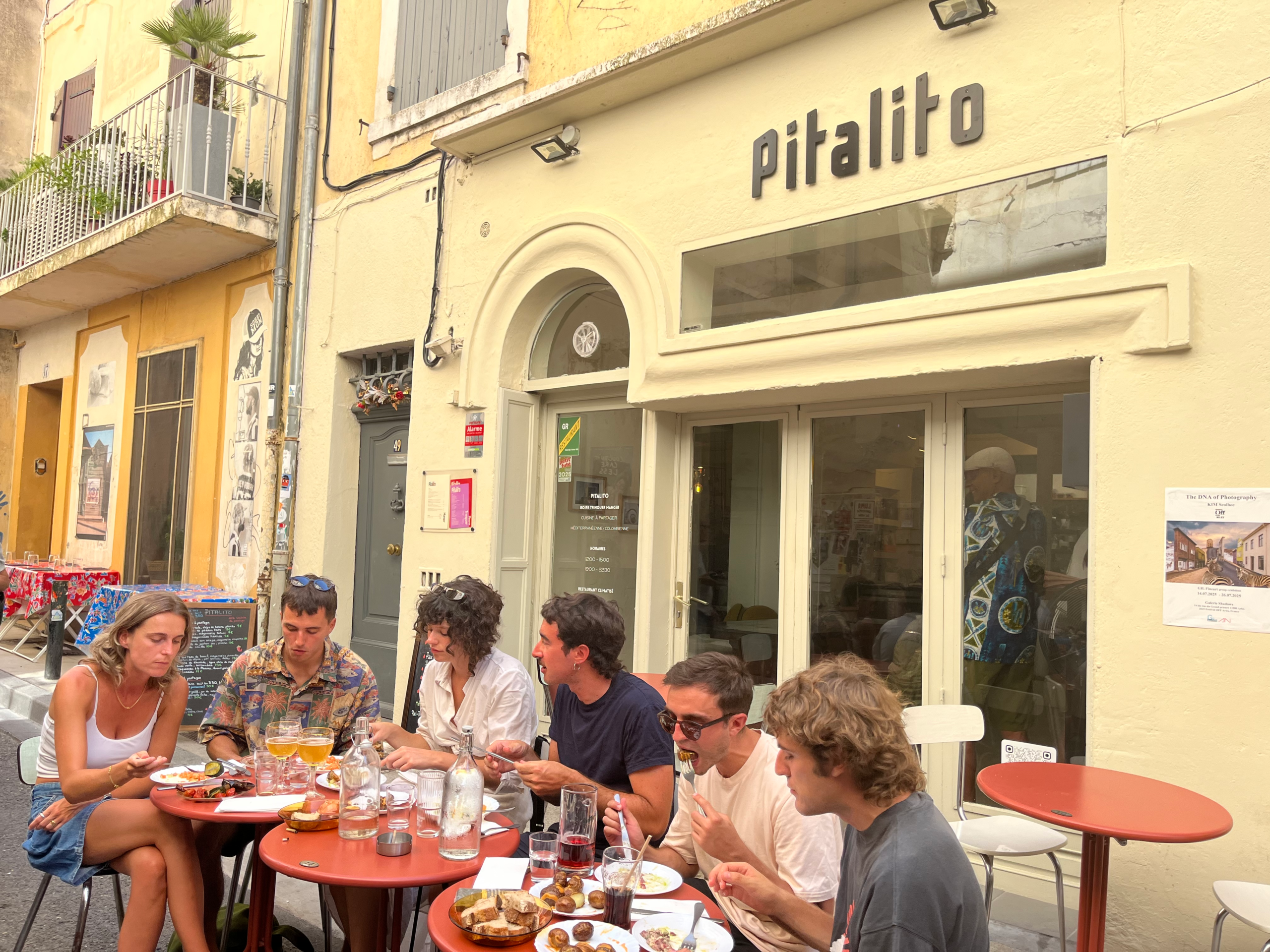
  • Pitalito: Where Colombia Meets Provence
  • The Best Medicine: 😂
  • Book Review: Mother Mary Comes To Me by Arundhati Roy
  • Triumph Over Cancer
  • Unforgettable Day Trips from Paris
  • Spaghetti Alla Nerano
  • Amboseli National Park: East Africa’s Hidden Gem
  • Homemade Fried Rice
  • Strumming Towards Your Soundtrack
  • The Yoga Journey