
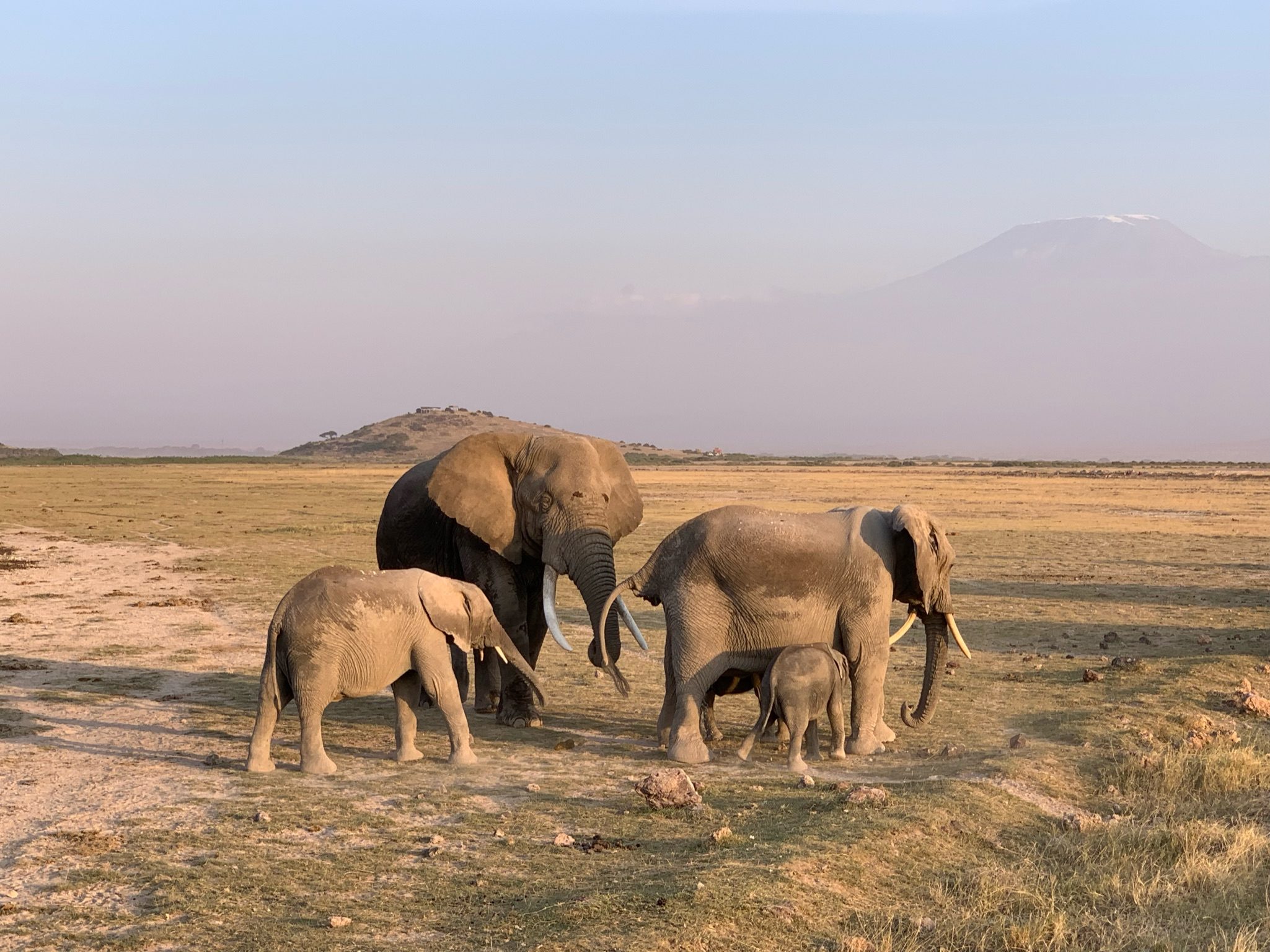
A Majestic Elephant Kingdom Beneath Kilimanjaro
Amboseli National Park is one of Kenya’s most captivating wildlife destinations, offering a stunning blend of scenic beauty, ecological diversity, and an intimate glimpse into Africa’s most iconic wildlife. Located in the southern part of Kenya, near the Tanzanian border, this protected area offers one of the most breathtaking views in East Africa—Mount Kilimanjaro, the tallest free-standing mountain in the world, rising majestically in the background.
Whether you’re a seasoned safari-goer or a first-time visitor to Africa, Amboseli offers a unique blend of adventure, photography, and cultural interaction that sets it apart from more crowded safari destinations. In this post, we’ll explore everything that makes Amboseli National Park an essential stop on any East African safari itinerary, from its geography and wildlife to how it compares to other legendary reserves like the Maasai Mara and Serengeti.
Where is Amboseli National Park Located?
Amboseli National Park is located in Kajiado County, in southern Kenya, about 240 kilometers (150 miles) southeast of Nairobi, the capital city. It lies at the northwestern foot of Mount Kilimanjaro, just across the border in Tanzania. The park covers an area of about 392 square kilometers (151 square miles) and is part of the larger Amboseli ecosystem that extends beyond the official park boundaries.
Despite its relatively small size, Amboseli’s strategic location and scenic grandeur give it an outsized place on the East African safari map.
How to Get There
By Road:
Amboseli is accessible by road from Nairobi. The journey takes about 4–5 hours depending on traffic and weather conditions. There are two main routes—via Namanga (which also connects to Arusha, Tanzania) or via Emali on the Nairobi-Mombasa highway. The road from Emali through Loitokitok is considered more direct and better maintained.
By Air:
There are daily scheduled flights to Amboseli Airstrip from Nairobi’s Wilson Airport. The flight takes around 45 minutes and offers stunning aerial views of the plains and Mount Kilimanjaro. Charter flights are also available from other parks or private airstrips.
What is Amboseli Famous For?
Amboseli is best known for:
- Large herds of free-ranging African elephants
- Iconic views of Mount Kilimanjaro
- Photographic safaris with dramatic landscapes and diverse wildlife
- Cultural interactions with the Maasai people
- A rich variety of habitats including wetlands, savannahs, woodlands, and seasonal lakes
One of the most enduring images of Amboseli is a majestic elephant walking across the dusty plains with snow-capped Kilimanjaro looming behind—a scene that has graced countless travel magazines, documentaries, and postcards.
Geography, Topography, and Ecosystem
Amboseli lies in a semi-arid region, with a predominantly flat terrain interspersed by acacia woodland, open plains, marshes, and seasonal lakes.
Despite being in a dry area, the park boasts permanent swamps and wetlands fed by underground rivers originating from Mount Kilimanjaro’s melting snow. These wetlands are a magnet for wildlife year-round and form the park’s lifeline during the dry season.
Key topographic features include:
- Lake Amboseli – A seasonal, alkaline lake that fills during the rainy season.
- Enkongo Narok and Ol Tukai swamps – Permanent marshes that attract elephants, hippos, and birds.
- Observation Hill – The park’s main lookout point offering panoramic views of the plains, wetlands, and Kilimanjaro.
Amboseli’s terrain is not as lush or hilly as the Maasai Mara or the Serengeti, but its open landscape allows for excellent game viewing and photography.
Wildlife in Amboseli National Park
Amboseli is one of the best places in Africa to see African elephants up close. The park is home to over 1,000 elephants, many of which have been studied by researchers in the world-renowned Amboseli Elephant Research Project, one of the longest-running wildlife studies in the world.
Aside from elephants, Amboseli is home to:
- Lions
- Leopards
- Cheetahs
- Buffaloes
- Giraffes
- Zebras
- Hyenas
- Wildebeests
- Hippos
The park is also a birdwatcher’s paradise, with over 420 bird species recorded, including pelicans, kingfishers, herons, secretary birds, and flamingos during the wet season.
While Amboseli doesn’t have as high a predator density as the Mara or Serengeti, the chances of spotting lions, hyenas, and cheetahs are still strong, especially during the dry season when animals congregate near water sources.

Cultural Experience: The Maasai Connection
Amboseli lies in the heart of Maasai land, and many of the communities around the park still live a traditional pastoral lifestyle. Visitors have the opportunity to tour Maasai villages, learn about their customs, and see their colorful beadwork, dances, and songs.
Unlike more commercialized cultural tours, many Amboseli-based Maasai experiences are still authentic and community-run, giving you a genuine insight into one of Africa’s most iconic tribes.
Amboseli vs. Maasai Mara and Serengeti: How Does It Compare?
Amboseli vs. Maasai Mara (Kenya):
- Maasai Mara is much larger, part of the greater Mara-Serengeti ecosystem and famous for the Great Wildebeest Migration (Jul–Oct).
- Amboseli is better known for elephants and Kilimanjaro views, while Mara is stronger for big cats and predator action.
- Maasai Mara has more luxury lodges and higher tourist numbers, while Amboseli offers a quieter, more serene experience. However, Amboseli has its own share of luxury accommodations as well so do not let that discourage you to visit.
Amboseli vs. Serengeti (Tanzania):
- Serengeti is massive (14,750 sq km vs. 392 sq km) and home to the full migration circuit, with massive herds and predator-prey drama.
- Amboseli is smaller, more intimate, and easier to explore in a few days.
- Amboseli’s scenery with Kilimanjaro is arguably more dramatic, while Serengeti’s endless plains are legendary for wildlife numbers.
In essence, Amboseli complements rather than competes with these iconic destinations. For the complete safari experience, many travelers combine Amboseli with either the Mara or the Serengeti.
Why You Should Visit Amboseli National Park
1. See the Giants of Africa Up Close
If you’ve ever dreamed of getting close to wild elephants, Amboseli is the place. The elephants here are remarkably calm and well-habituated to vehicles, allowing for exceptional close-range photography and observation.
2. Capture Iconic Safari Photos
With Kilimanjaro rising in the background and herds of elephants traversing golden plains, Amboseli offers some of the most photogenic landscapes in Africa.
3. Less Crowded Than Other Parks
Arguably, the most important feature of Amboseli is that, unlike the Maasai Mara or Serengeti, the park is less congested, offering a more relaxed, intimate safari. You’ll often have sightings all to yourself, especially in the early morning and late afternoon. Discover it before it gets as crowded as the other safari destinations as well!
4. Accessibility and Convenience
Being just a few hours from Nairobi, Amboseli is perfect for short safaris or as part of a longer itinerary that includes Tsavo, Lake Naivasha, or the Mara.
5. Diverse Habitats in a Compact Area
You don’t have to drive far in Amboseli to go from dry savannah to lush wetlands to dusty lakebed. This variety of ecosystems in such a small area makes for dense wildlife sightings and exciting game drives.
6. Meet the Maasai
Amboseli offers an opportunity to interact with indigenous Maasai communities, adding a rich cultural dimension to your safari experience.
When to Visit Amboseli
The best time to visit is during the dry season from June to October and January to February. These months offer the best game viewing as animals gather around the remaining water sources.
The wet season (November–December and March–May) transforms the landscape into a lush green oasis and is great for birdwatching—but roads may be more difficult to navigate.
Conclusion:
While the Maasai Mara and Serengeti steal much of the spotlight in East Africa, Amboseli National Park holds its own as a top-tier safari destination. Its unique setting beneath Mount Kilimanjaro, large elephant populations, and diverse landscapes make it one of the most rewarding places to explore wildlife in Kenya.
Whether you’re a photographer chasing that iconic elephant-and-Kili shot, a traveler seeking a quieter, soulful safari, or a family hoping to introduce your kids to Africa’s wonders—Amboseli is still Africa’s hidden gem and will not disappoint.
Add it to your travel destinations list—you won’t regret it.

Comments
2 responses to “Amboseli National Park: East Africa’s Hidden Gem”
Very nice review. Looking forward to seeing it
Thank you for the feedback. Have a great time in Amboseli!