
Truths, Myths, and the Path to a Longer, Healthier Life
The quest for a longer, healthier life has fascinated humanity for centuries. From ancient legends of immortal beings to modern scientific breakthroughs, the desire to extend our time on Earth, and to do so with vitality, remains a powerful driving force. Yet, amidst the genuine advancements, a multitude of myths and misconceptions about human longevity persist. This article will delve into the truths and myths surrounding our lifespan and explore the key factors that genuinely influence both how long we live and the quality of those years.
The Truths and Myths of Human Longevity
Myth 1: Longevity is Primarily Determined by Genetics. While genetics undeniably play a role, their influence is often overstated. Studies suggest that genetics account for only about 20-30% of the variation in human lifespan. The vast majority – 70-80% – is shaped by environmental factors and, crucially, our lifestyle choices. This is excellent news, as it means we have significant agency over our longevity.
Myth 2: You can take “Anti-Aging” Pills. The allure of a magic bullet that reverses or halts aging is strong, but currently, no such pill exists. While certain compounds like rapamycin show promise in animal studies for impacting aging pathways, human trials are ongoing and conclusive results are not yet available. Longevity is a complex biological process, and a holistic approach, rather than a single pharmaceutical solution, is the most effective path.
Myth 3: Extreme Diets Guarantee a Longer Life. Fad diets, including extreme calorie restriction, are often touted as longevity secrets. While some animal studies indicate that calorie restriction can impact certain biomarkers, evidence for significant lifespan extension in humans is limited and often unsustainable. A balanced diet rich in whole foods, rather than restrictive or extreme approaches, is consistently linked to better health outcomes and a longer life.
Myth 4: Intense Exercise is Necessary for Longevity. While physical activity is crucial, the idea that only high-intensity workouts will make a difference is a myth. Moderate activities like walking, gardening, or yoga are highly effective in maintaining overall health and promoting longevity, especially as we age. Consistency, not intensity, is the key.
Truth 1: Lifestyle Choices are Paramount. This is the undeniable truth at the heart of longevity. Our daily habits – what we eat, how much we move, how well we manage stress, and the quality of our sleep – collectively exert a profound influence on our lifespan and healthspan (the period of life spent in good health).
Truth 2: Healthspan Matters as Much as Lifespan. Living a long time is only truly desirable if those years are filled with vitality and well-being. Healthspan refers to the number of years lived free from disease and disability. It’s possible to have a long lifespan but a short healthspan, and vice versa. The goal should be to maximize both.
Truth 3: Aging is Not Inevitable Decline. Many common misconceptions portray aging as an automatic descent into cognitive decline, physical weakness, and social isolation. While some age-related changes are natural, significant decline is not always inevitable. The brain retains its capacity to learn, and physical activity remains beneficial at any age. Maintaining social connections and actively engaging with life are also crucial for well-being in later years.
Factors Affecting Human Longevity and Quality of Life
Beyond the myths, scientific research points to several key factors that significantly impact how long and how well we live:
Diet and Nutrition: A diet rich in fruits, vegetables, whole grains, and lean proteins, and low in processed foods, sugar, and unhealthy fats, is consistently linked to improved health and extended lifespan. The “Blue Zones” , as described by Dan Buettner and colleagues, are regions with exceptionally high numbers of centenarians [1]. People from these regions often share common dietary patterns emphasizing plant-based foods and moderate calorie intake.
Let’s explore some specific food groups known for their longevity-promoting properties:
Vegetables: Focus on a diverse array of colors.
Leafy Greens (Spinach, Kale, Swiss Chard, Collard Greens): Packed with vitamins, minerals, and antioxidants like lutein and zeaxanthin, which are good for eye health and may protect against age-related cognitive decline.
Cruciferous Vegetables (Broccoli, Brussels Sprouts, Cauliflower, Cabbage): Rich in sulforaphane and other compounds that support detoxification pathways and have anti-cancer properties.
Root Vegetables (Carrots, Sweet Potatoes, Beets): Excellent sources of fiber, vitamins, and antioxidants. Carrots are high in beta-carotene, and beets contain nitrates that can improve blood flow.
Alliums (Garlic, Onions, Leeks): Contain organosulfur compounds that have anti-inflammatory and immune-boosting effects. Garlic, in particular, is linked to cardiovascular health benefits.
Fruits: Prioritize berries and other colorful options.
Berries (Blueberries, Raspberries, Strawberries, Blackberries): Loaded with anthocyanins, powerful antioxidants that combat oxidative stress and inflammation, and may protect brain health.
Citrus Fruits (Oranges, Grapefruits, Lemons): High in Vitamin C, which is essential for immune function and collagen production, supporting skin health.
Avocados: A great source of healthy monounsaturated fats, fiber, and potassium, beneficial for heart health.
Apples: Contain quercetin, an antioxidant that may have anti-inflammatory and anti-cancer properties.
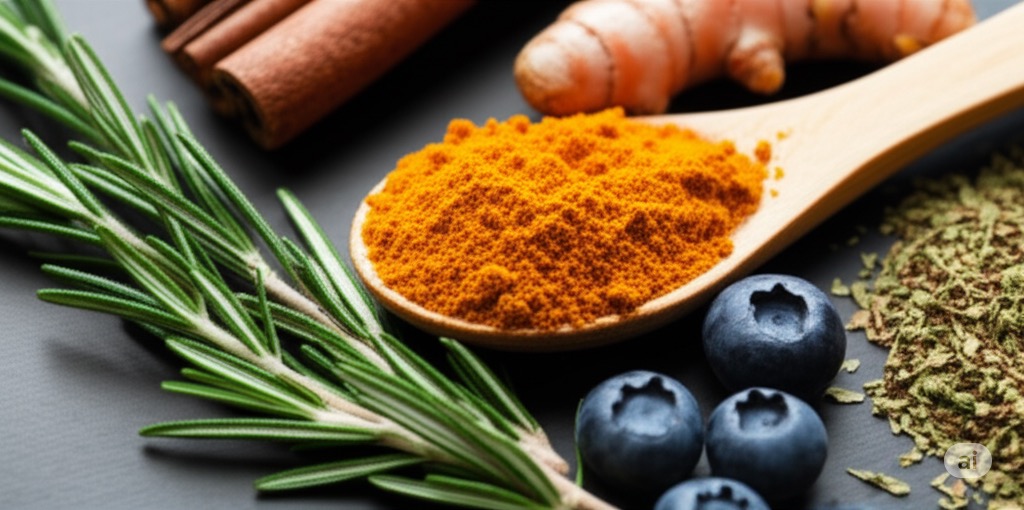
Spices and Herbs: Don’t underestimate the power of flavor enhancers!
Turmeric: Contains curcumin, a potent anti-inflammatory and antioxidant compound with potential benefits for brain health and joint pain. Often consumed in “golden milk” in Blue Zones.
Ginger: Known for its anti-inflammatory and digestive benefits.
Cinnamon: May help regulate blood sugar levels and has antioxidant properties.
Rosemary: Contains antioxidants that may protect brain cells and improve memory.
Oregano and Thyme: Rich in antioxidants and have antimicrobial properties.
Chili Peppers (Capsaicin): May boost metabolism and have pain-relieving effects.
Other Longevity-Promoting Foods:
Legumes (Beans, Lentils, Chickpeas): A cornerstone of Blue Zone diets. Excellent sources of plant-based protein, fiber, and various micronutrients, supporting gut health and reducing the risk of chronic diseases.
Nuts and Seeds (Almonds, Walnuts, Chia Seeds, Flax Seeds): Provide healthy fats, fiber, protein, and antioxidants. Walnuts are particularly rich in omega-3 fatty acids, beneficial for brain and heart health.
Olive Oil (Extra Virgin): A staple of the Mediterranean diet, high in monounsaturated fats and antioxidants, promoting cardiovascular health.
Whole Grains (Oats, Quinoa, Brown Rice, Barley): Rich in fiber, B vitamins, and minerals, contributing to stable blood sugar levels and gut health.
Fatty Fish (Salmon, Mackerel, Sardines): Excellent sources of Omega-3 fatty acids, crucial for brain function, reducing inflammation, and heart health.
Besides Diet and Nutrition, other critical lifestyle features have been shown to affect longevity [2]. These are:
Physical Activity: Regular exercise, whether moderate or more intense, offers a myriad of benefits, including maintaining a healthy weight, improving cardiovascular health, boosting mood, and strengthening bones and muscles. Even small amounts of consistent activity can make a significant difference.
Sleep: Adequate and consistent sleep is fundamental for cellular repair, hormone regulation, and overall well-being. Chronic sleep deprivation can negatively impact nearly every bodily system and contribute to chronic diseases.
Stress Management: Chronic stress can accelerate aging at a cellular level and contribute to various health problems. Developing healthy coping mechanisms for stress, such as mindfulness, meditation, or spending time in nature, is crucial for longevity.
Social Connections: Strong social ties and a sense of community are powerful predictors of a longer, healthier life. Loneliness and social isolation, conversely, have been linked to increased mortality risk.
Purpose and Meaning: Having a sense of purpose and engaging in activities that bring meaning to life can contribute to both mental and physical well-being, fostering resilience and a positive outlook.
Environmental Factors: Access to clean air and water, safe living conditions, and quality healthcare all play a role in longevity. Exposure to pollutants and toxins can negatively impact health.
Access to Healthcare and Preventive Care: Regular medical check-ups, screenings, and prompt treatment for illnesses are vital for preventing and managing chronic conditions, thereby extending both lifespan and healthspan.
Genetics (to a lesser extent): While not the sole determinant, certain genetic predispositions can influence an individual’s susceptibility to diseases or their natural resilience to aging. However, even with genetic predispositions, lifestyle choices can significantly mitigate or enhance these effects.
In conclusion, while the allure of quick fixes and genetic destiny persists, the truth about human longevity lies primarily in our daily choices. By embracing a balanced and active lifestyle, prioritizing mental well-being, fostering strong social connections, and taking advantage of modern healthcare, we can significantly influence not just the length of our lives, but also the vibrant quality of the years we are given. The journey to longevity is not about chasing mythical cures, but rather about cultivating a mindful and healthy approach to living, day by day.
References:
- Buettner, D and Skemp, S. (2016). Blue Zones: Lessons From the World’s Longest Lived. Am J Lifestyle Med. 10(5):318–321.
- Sisto, R. (2023). Crucial factors affecting longevity. Lancet Healthy Longev. 4(10):e518-e519.